Radar Global de Notícias & Milhas
O indiano olha 83 blogs a cada 20 minutos (exceto no almoço dele) e traz tudo mastigado pra você. sync Próxima ronda em: --:--

Adani Expects ‘One or Two’ Foreign Airlines to Pause Mumbai Flights Rather Than Move Airports
Adani says a few airline exits would barely dent passenger numbers, but that’s not the only measure of a new airport’s success. If well-known long-haul carriers refuse to fly to Mumbai, Navi Mumbai’s international network will be mostly Indian airlines, which limits its appeal to global travelers.

Adani Expects ‘One or Two’ Foreign Airlines to Quit Mumbai Rather Than Move Airports
Adani says a few airline exits would barely dent passenger numbers, but that’s not the only measure of a new airport’s success. If well-known long-haul carriers refuse to fly to Mumbai, Navi Mumbai’s international network will be mostly Indian airlines, which limits its appeal to global travelers.
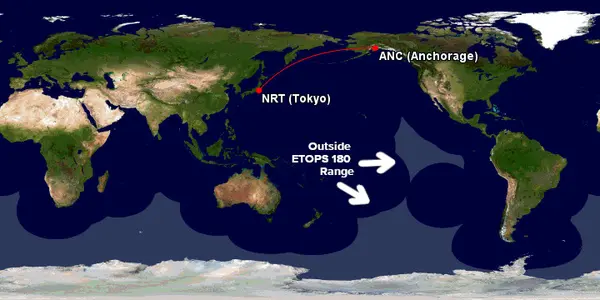
Alaska’s Anchorage to Tokyo Flight Is an Exciting Experiment
Alaska has announced that it will begin flying from Anchorage to Tokyo/Narita on a B737-8 MAX every day in summer from May 13 through September 7. It will then pick it up again in winter flying 3x weekly starting in January. This is a very creative use of an airplane. This move is effectively Alaska...

Flying Around Russia Is Testing Airlines’ Climate Targets
Avoiding Russia has become a climate problem for airlines heading from Europe to Northeast Asia — and a competitive disadvantage. Finnair, one of the most affected airlines, says it’s committed to its climate goals.

Russia’s Airspace Closure Pushed Finnair’s Emissions Up 10% — And It’s Not the Only One
Avoiding Russia has become a climate problem for airlines heading from Europe to Northeast Asia — and a competitive disadvantage. Finnair, one of the most affected airlines, says it’s committed to its climate goals.
Travel’s Next Dollar: Aircraft Orders and Hotel Sales Lead October’s Deals
Skift Intelligence is built on a framework designed to track every decision that determines where the next dollar in travel is going. Capital Moves, a new feature updated daily, tracks every notable capital allocation announcement across global travel.
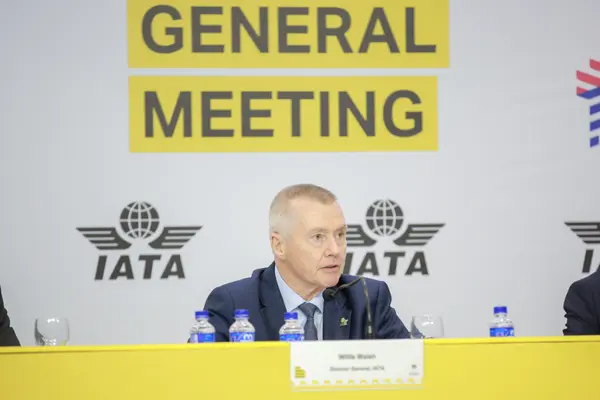
Willie Walsh Wants IndiGo to Go Long-Haul Without Losing Its Low-Cost Core
Many airlines have learned the hard way that building short-haul networks around long-haul ambitions can backfire. Walsh believes IndiGo’s scale can generate connections without a hub, but that theory won’t be tested until its A350s arrive in 2028. Until then, with record fuel prices and no hedging in place, caution makes sense.

Disney Cuts More Than 100 Jobs In Theme Park Division
CEO Josh D’Amaro has said he is highly focused on reducing costs at the media giant.
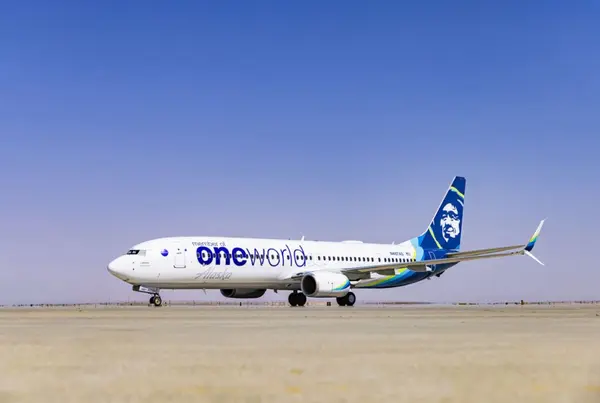
Alaska Airlines to Lay Off 200 Employees as It Forecasts a Loss in 2026
Higher fuel costs have eaten into Alaska’s profits and now the carrier says it will cut 200 back office roles to help with cost control.

Hyatt in Trademark Clash With Hilton Over ‘Select’ in Hotel Brand Names
When hotel giants keep stacking sub-brands and “brands of brands,” they eventually run out of words. Expect more naming collisions as the industry’s label factory keeps humming.

Visit Norway Turns Trump’s Insult Into Its Most-Viewed Page
A quick tweak to a five-year-old web page has brought in tens of thousands of views to Visit Norway’s website.
Cranky Weekly Review presented by Oakland San Francisco Bay Airport: JetBlue and Frontier Earnings, Alaska Heads to Tokyo
JetBlue Earnings Leave the Carrier Feeling Blue but Not as Blue as Some Predicted JetBlue announced its Q3 earnings a day early on Monday as the carrier reported a loss bigger than last year’s Q3 loss of $257 million. But its stock was up later in the day as its forecast for Q4 and beyond...
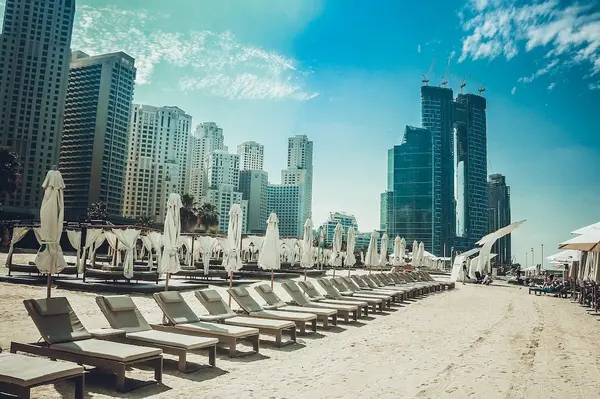
Dubai Holiday-Home Operator Silkhaus Shuts Down, Citing U.S.-Iran War
With several airlines staying out of Dubai into 2027 and forward bookings well below last year, this winter’s peak season is unlikely to rescue smaller holiday-home operators following the March and April disruption. More exits are likely.

Gravity Haus Wants to Make Mountain Life a Membership
Gravity Haus combines hotel rooms, workspaces, and gyms to help people fit more outdoor time around work and family. Its growth depends on securing and adapting properties in competitive mountain markets, and persuading customers to pay for a new kind of membership.

Which Airlines Are Still Skipping Dubai This Winter
Dubai’s airport is busy, but the long-haul airlines that fill its luxury hotels are mostly staying out until spring. Hotels organizing around a European winter rebound need to plan for a later one.

When Sustainability and Hospitality Performance Go Hand in Hand
Sustainability is increasingly tied to hotel performance, from operating costs and asset value to guest experience and talent. Accor’s Coline Pont explains how the company’s new Hosting Change strategy aims to turn those connections into measurable value.
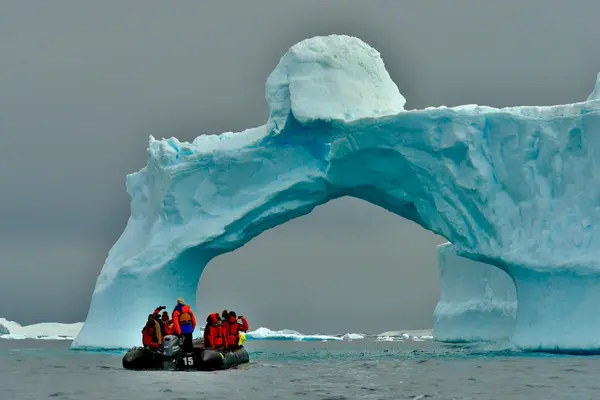
Antarctic Tourism Is Booming. Guides Say Expertise Is Thinning
Antarctica’s ship capacity grew faster than its pool of experienced guides, and veterans say that’s changing what guests can safely do. The industry disputes that standards have slipped, but no single authority can cap growth on a continent governed by consensus.

Thailand Keeps Building for Tourists Who May Not Come
Thailand’s arrivals outlook has weakened, but new rooms and flights are still coming. The test is whether resilient luxury demand and new source markets can deliver the returns that investors want.

Wyndham Launches Homes & Havens to Take On Marriott
Whether Wyndham's Homes & Havens can compete with Marriott's far larger collection is an open question. But for Wyndham, this is only day one.

Hyatt Raises Outlook, but Its All-Inclusives Lag
When affluent travelers spend, Hyatt wins. The catch is that a portfolio built on luxury leisure is a bet on the wealth effect, and the good times could end if the stock market sneezes.
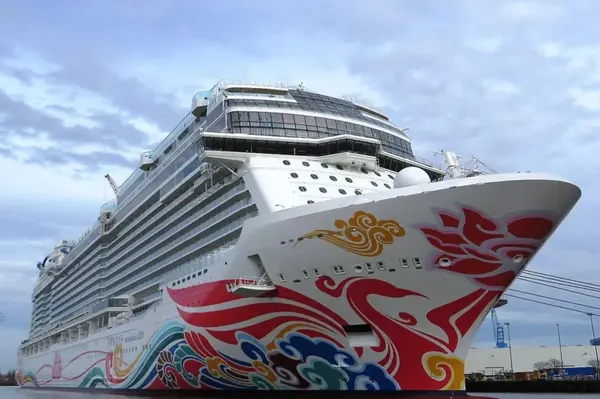
Norwegian Cruise Line’s Turnaround Shows Early Traction After Activist Shakeup
Better close-in demand, cost cuts, and second-half 2027 bookings on par with last year at higher prices suggest Norwegian Cruise Line's turnaround plan is starting to take hold, but the company still trails rivals that are already growing yields.

IndiGo’s Willie Walsh Wants More Revenue From Every Passenger
IndiGo’s answer to losing passengers is the Ryanair model of earning more from each one. But Ryanair’s extras depend on European rules. Walsh himself concedes India’s rules do put limits on that playbook.

Which Airlines Are Still Skipping Dubai This Winter
Dubai’s airport is busy, but the long-haul airlines that fill its luxury hotels are mostly staying out until spring. Hotels planning around a European winter rebound need to plan for a later one.
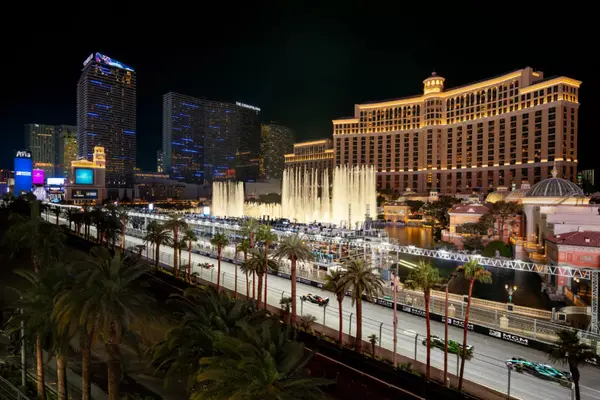
MGM Resorts Sees Lost Pricing Power in Las Vegas as Travel Costs Bite
Higher transportation costs appear to be squeezing Las Vegas hotels’ pricing power. Yet convention business has helped offset weaker leisure demand in some months
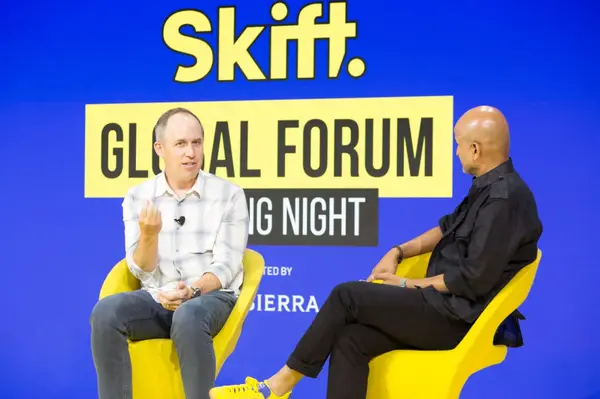
Why AI Agents Could Become Travel’s New Digital Front Door: Watch Video
At Skift Global Forum, Sierra CEO Bret Taylor argued that AI agents could connect booking, service, sales, and loyalty into a more seamless customer relationship, organized around the traveler rather than a company’s internal structure.

You Asked, I Flew to Loreto (Trip Report)
It’s the trip you’ve been asking for. Literally. With an expiring Alaska credit, I decided to let you tell me where to go one week ago today. When the votes were counted, you picked Loreto, and so that’s where I went. I know you’re dying to hear about it, so I didn’t want to waste...
Hosts Say Airbnb Won’t Remove Unfair Reviews. Guests Say It Removes Too Many.
Hosts and guests both have complaints when it comes to short-term rental review takedowns. For hosts, a single negative review can cost up to hundreds in lost revenue each month.
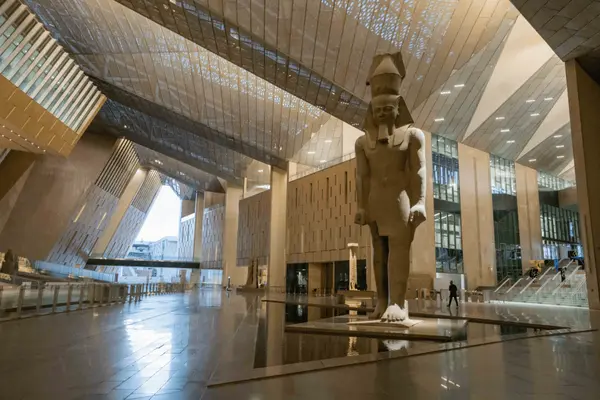
Egypt Has the Visitors. Now It Wants Them to Stay Longer and Spend More
Egypt’s hotel pipeline already matches its new pitch, with nearly 90% of planned rooms upscale or luxury. The harder part to deliver is the rest of a premium trip — the best Nile vessels, guides and transport — which already sell out well in advance.

Would You Pay for Hotel Loyalty? 485,000 Accor Members in Asia Pacific Already Do
Paid loyalty is gaining traction in Asia Pacific, where subscriptions are already a habit. Accor is treating its 485,000-member program as a revenue channel, not a discount scheme. The real test is renewals, and those are only now arriving in volume.

‘We’re Done’: MGM Resorts Ends Merger Talks With Barry Diller’s People Inc.
A new pact between MGM Resorts and Barry Diller's People Inc. effectively ends merger talks. It's uncertain who else might want to buy an operator whose Las Vegas resorts have been sliding for two years.

Vrbo Launches Reserve Now, Pay Later — With a Twist on Airbnb’s Approach
Paying nothing up-front has been one of Airbnb's clearest growth levers. Vrbo's version of Reserve Now, Pay Later seems more host-friendly, but it gives guests less flexibility in when they can cancel without penalty. Will that weaken the tailwinds for Vrbo that Airbnb got?

Marriott Confirms Corporate Job Cuts
Marriott is cutting corporate jobs, not hotel staff, in a global restructuring. Some affected workers may land newly posted roles, it says.
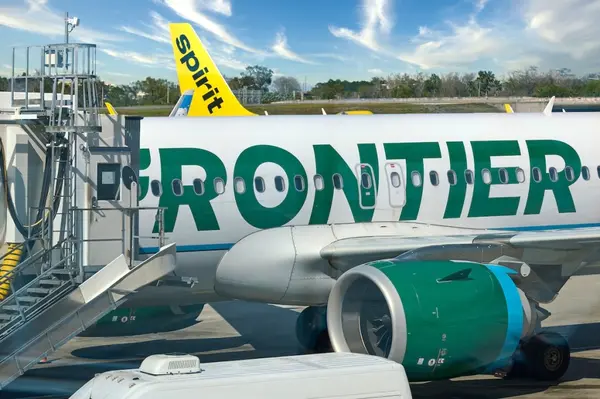
Frontier’s Fares Soar, But Spirit’s Exit Hasn’t Fixed Its Profit Problem
Spirit's collapse has given Frontier room to raise fares and attract more passengers – but record revenues have yet to translate into meaningful profits.

Why Luxury Escapes Puts Its Best Prices Behind a Paywall
Travel customers switch platforms on price and inventory with little friction, and Luxury Escapes’ CEO builds around that. His bet is a paid membership with a genuine paywall over partner pricing, a moat he expects to matter more as AI agents enter booking.

The New Math Behind Travel’s AI Roll-Ups
AI could give travel consolidators a new way to improve the companies they buy. The question is whether the gains are real, repeatable, and worth the price of admission.

Airbnb.org Aims for 1 Million Free Nights a Year, Funded Partly by a Dime a Booking
Is 10 cents per booking enough of a contribution? Well, it's more than Booking.com and Vrbo donate per stay.

Waymo Picks Ramp for Its First Business Travel Expense Partner: Exclusive
Waymo’s receipts will now flow straight into a spend platform used by more than 70,000 businesses. That should fix a pain point for road warriors, and it’s a signal that Waymo wants a bigger slice of corporate travel.
Agoda Plugs Into Meta’s Muse in Singapore and Japan
Agoda gives Booking Holdings a foothold in Meta’s Muse in Singapore and Japan, while Expedia holds the hotel slot in North America. The real question is the economics: if Meta takes a fee, hotels could pay twice for the same booking.

Travel Companies and DMOs Work to Patch Critical PHP Flaws
The scramble to patch a security flaw shows just how much smaller players in travel depend on outside vendors to keep their websites safe.

Saudi Giga Project Spending Shrinks. Hotel Developers Keep Building
Saudi Arabia is shrinking giga project budgets on Riyadh’s event deadlines. Hotel developers are still building as if the old plan held, with pipelines up and skewed to luxury. That mismatch, plus cost inflation and security risk, is the bigger story for owners and brands.

Airbnb to Require Temporary Phone Numbers for Large Hosts and Guests
Airbnb says the temporary phone numbers are meant to protect privacy. But the change also makes it harder for property managers to turn Airbnb guests into direct bookers.
A New CTO, a Nasdaq Move and AI Agents: Hilton Makes Its Tech Pitch
Hilton wants to be valued like a technology platform. Owners will judge it by whether lower distribution costs actually reach them.

Philippine Travel Tax Repeal Risks Tourism Funding Gap
Scrapping the Philippines’ travel tax would make overseas trips cheaper but strip its tourism infrastructure agency of its main revenue source, with no replacement in the proposed 2027 budget.
JetBlue CEO Reaffirms Profit Targets, Says Distressed Bonds Reflect a ‘Significant Disconnect’
JetBlue shares bounced back after its third-quarter earnings calmed investor fears over a possible Chapter 11 bankruptcy.
Best Western’s Parent Changes Its Name Again: From BWH to WorldHotels
The parent company of the Best Western family of hotels has decided to rename itself WorldHotels to appeal to a broader range of travelers. Its toughest audience may be its own members.
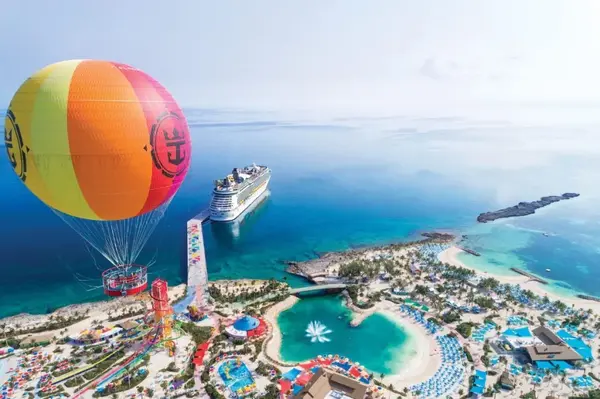
Royal Caribbean Says Sandals Deal Can Help It Win Half of Guests’ Travel Spend
Royal Caribbean Group wants a bigger slice of travelers’ wallets. Close to half of guests this year are expected to be repeat customers, but executives see room for growth aided by plans to purchase a 50% stake in Sandals Resorts and Beaches Resorts. The cruise operator, which reported better-than-expected third-quarter results and raised its full-year […]

Travel’s New Creator Economy: Why Brands Need Smarter Systems
Travel brands are pouring more money into creators, but spend alone won’t build an edge. The advantage will come from learning faster, measuring better, and turning what works into a repeatable system.

Lanserhof’s Medical Resorts Think Beyond Weight Loss and Longevity Fads
Lanserhof's sharpest longevity pitch is restraint: knowing what a guest needs, and what they don't. A €95 million investment and plans beyond Europe will test whether the business can keep the medical judgment and personal attention behind that promise.

Sunday PropTech’s European Hotel Bet Has an Unexpected Profit Engine
Sunday PropTech is buying an established European hotel operator with a long record of acquisitions. But Fletcher’s financials reveal that most of its profits come from government accommodation, even as earnings fall and borrowing costs rise.
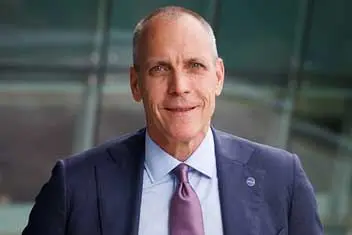
American’s Nat Pieper Carries His Northwest and Delta Heritage With Him
An “introvert by trade” with an algebra teacher for a mother and lawyer for a father, American’s Chief Commercial Officer Nat Pieper was brought up to analyze and then act. You’re going to study. You’re going to do your homework, you’re going to put rational arguments together. But once you kind of figure it out...

TKO’s CEO Makes Case for $2 Billion Bid on Service Properties’ Hotels
TKO wants to buy a hotel portfolio roughly four times the size of its own. Service Properties Trust hasn't responded. TKO CEO Jim Koehler believes renovations will boost performance.
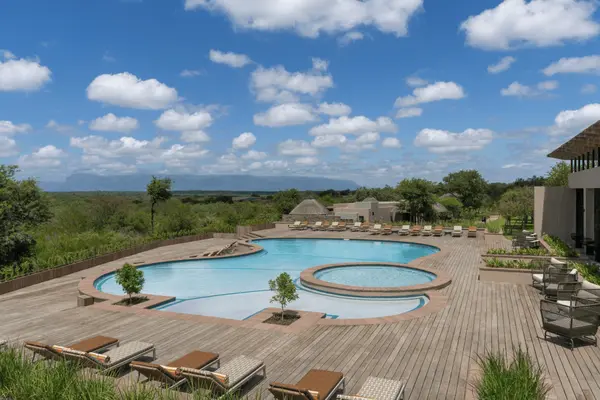
Radisson’s First Net Zero Hotel in Africa Signals Shift From Leased to Managed Properties
Radisson’s net zero push is moving from hotels it leases to hotels it manages. In South Africa, the hardest part wasn’t the building investments but buying the necessary renewable power.
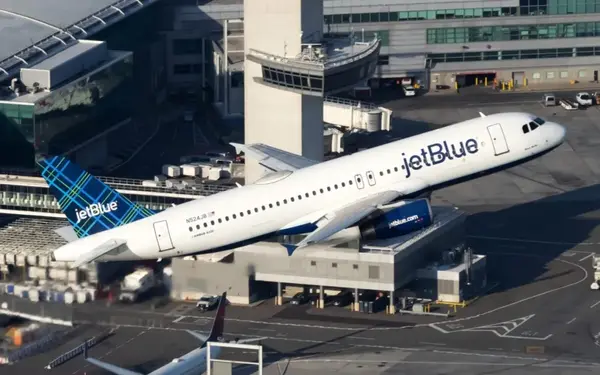
Beaten-Down JetBlue Shares Rebound as Carrier Says 2027 Profit Is on Track
JetBlue shares rebounded after market on Monday after the carrier reaffirmed its long-term profit goals.
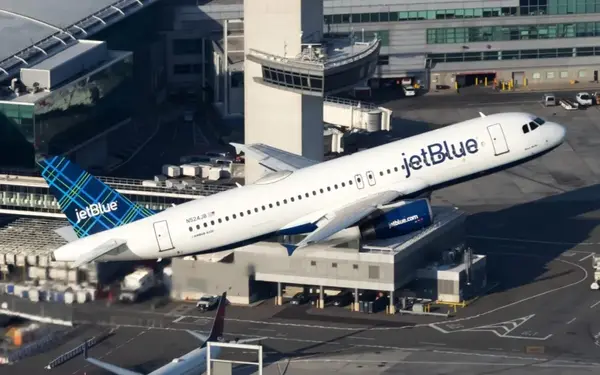
JetBlue Shares Sink, Bonds Enter Distressed Territory Ahead of Earnings
JetBlue shares were in free fall ahead of its highly anticipated third-quarter earnings and growing speculation that the carrier will need to restructure.

MakeMyTrip Uses an Air Travel Dip to Reach Beyond Flights
The fight in Indian online travel is moving away from flights and hotels toward the supply nobody has fully digitized yet.
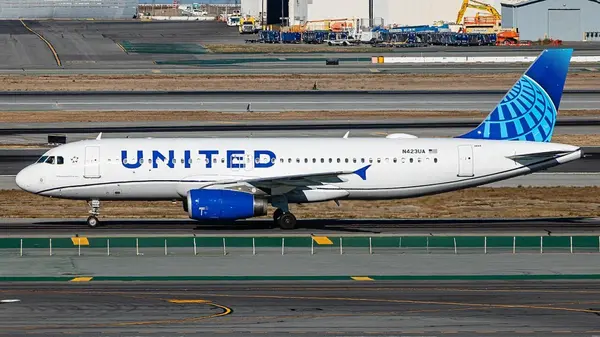
Airlines Are Counting on a Starlink Tailwind
Airline executives are betting that Starlink will be one way to grow revenue and attract more customers to offset soaring fuel costs.

Why Expedition Travel Is Redefining Luxury: Watch Video
At Skift Global Forum 2026, Lindblad Expeditions CEO Natalya Leahy explained how expedition travel is redefining what luxury is. Affluent travelers increasingly value expert guidance, personalization, authenticity, and emotional connection, giving Lindblad room to grow without sacrificing the meaningful, intimate experiences that define its brand.
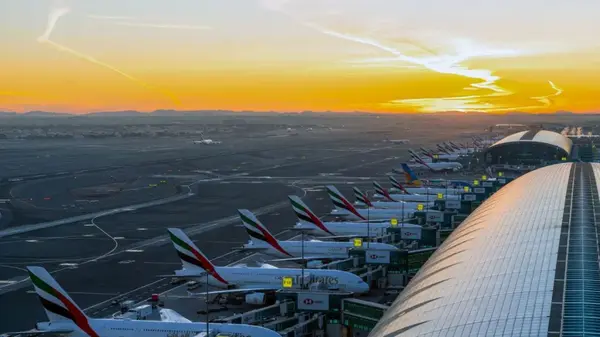
UAE Travelers Hesitate After Houthi Attacks But Aren’t Canceling
Travelers in the region are adapting to conflict rather than retreating from it, with flexible fares in demand and, for some, shorter booking windows.

The Rise of One-Person Travel Businesses
Travel's smallest companies are becoming possible because its largest companies now supply the booking, payments, distribution and software underneath them.
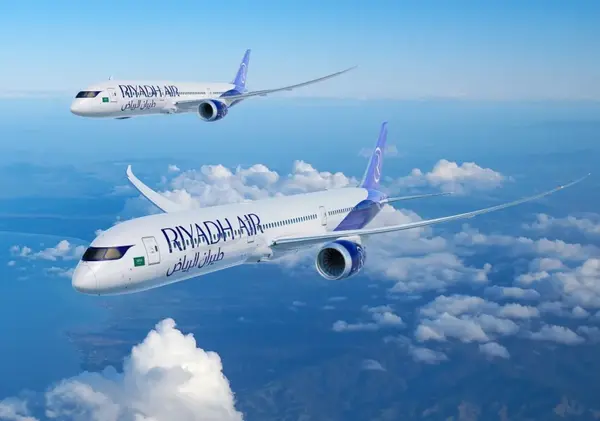
Riyadh Air Is Busing Passengers 270 Miles to Avoid Houthi Strikes
Riyadh Air was built to turn the Saudi capital into a global hub. Months after launch and following a wave of Houthi attacks, it is landing passengers 270 miles away and driving them in by coach.
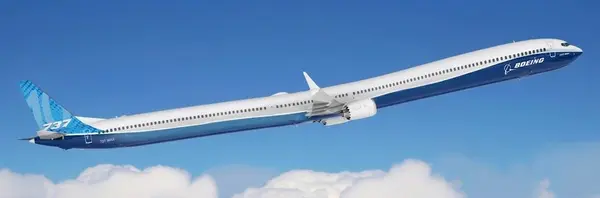
The MAX 10 Getting Certified is a Really Big Deal
The logjam has finally broken. After years of Boeing’s arrogance-driven ride into the much-deserved penalty box, it is finally getting airplanes certified again. First, we had the B737-7 MAX, and now the -10 has been certified as well. The -10 is a much bigger deal for the industry and for travelers. Original B737-10 MAX image...
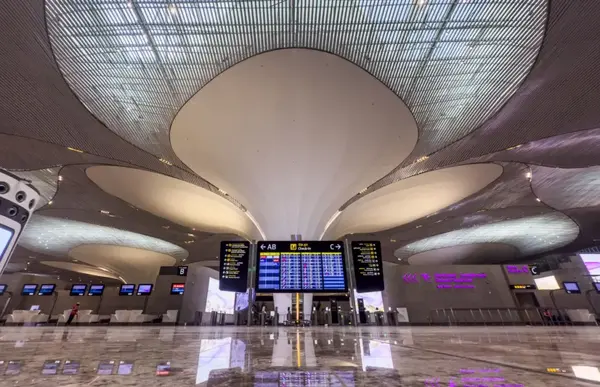
IndiGo, Air India Group Agree to Phased Move of International Flights to Navi Mumbai Through 2027
IndiGo and Air India may move their flights, but Adani’s two-airport strategy will depend on whether foreign carriers with complex connecting networks follow.
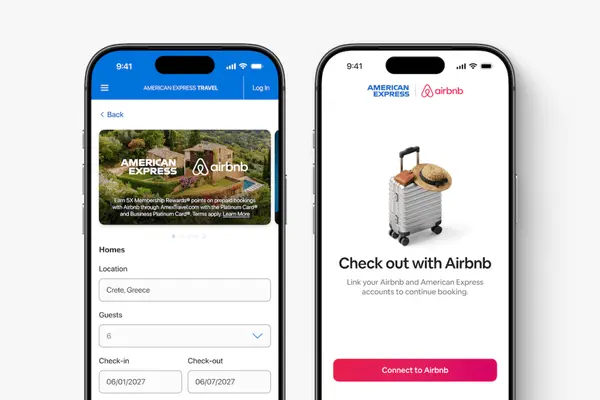
What the Amex Travel-Airbnb Deal Means for Expedia
On paper, Airbnb's exclusive short-term rental partnership with Amex Travel didn't change anything for Expedia because it wasn't supplying vacation rentals to Amex Travel. But Expedia's Vrbo has begun supplying vacation rentals to other B2B partners, and now the Airbnb deal blocks that potential expansion.

Travel VC Funding Fell for the Second Straight Quarter, Rounds for AI Companies Cut in Half
Travel's next dollar is shifting. Funding rounds steadily dropped quarter over quarter in 2026 while incumbents made targeted acquisitions. Though it's too early to say whether this is a long-term market movement, it's a clear sign of the times.
Cranky Weekly Review presented by Oakland San Francisco Bay Airport: Earnings Daze
American Earnings Paint Bleak Picture “American delivered record third-quarter revenue and the strongest year-over-year revenue growth in my career, with premium performance leading the way,” American CEO Robert Isom said in a releAAse which buries the lede that AA’s Q3 was poor enough for the carrier to slow its capacity growth next year with a loss now expected for the full year to equal...
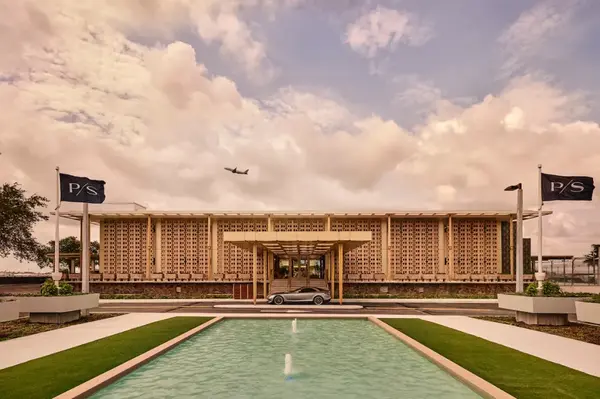
PS’s CEO on Running the Private Terminal and the Power of Restraint
PS has built one of the more defensible businesses in premium travel on a 90-minute window and nearly a decade of regulatory groundwork. For hotels, lounges, and clubs chasing the same customer, the lesson is that protecting a guest's attention can be worth more than monetizing it.

UAE Hotels Lean On Short-Haul Markets To Drive Recovery
Luxury hotels that rely on long-haul, high spending guests have been hit by Middle East unrest while their budget and midscale counterparts have fared better with a broader mix of arrivals.

Who Owns a Traveler’s Connectivity? Airlines, Hotels, and Platforms Share the Responsibility
Travelers do not separate a connectivity failure from the rest of their trip. Airlines, hotels, platforms, and connectivity providers must build reliable access into the journey before AI raises the stakes.

They Just Booked the Hotel Room — But They’re Already Looking for a Better Deal
With 41% of travelers still price-checking after they book, the hotel and flight reservations are now only one part of a longer, more dynamic — and more provisional — process.
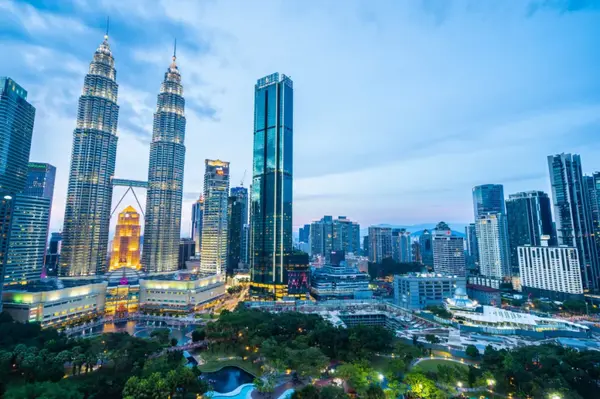
Southeast Asia’s Haze Lands on Malaysia’s Already Flat Tourism Year
Malaysia’s 47 million target was out of reach before the haze arrived; the year-end damage now depends on whether travelers rule out more than the worst-hit areas.

Death Toll From Europe’s Extreme Summer Heat Estimated At More Than 50,000
The toll of extreme heat is mounting. Europe’s tourism industry, on a continent largely resistant to air conditioning, must figure out how to adapt — as a matter of safety, not just comfort.

Accor Builds Caution Into Outlook Over France Unrest and Middle East
Accor is guiding to a flat fourth quarter globally, partly out of caution after France's recent riots and uncertainty about wars in the Middle East.
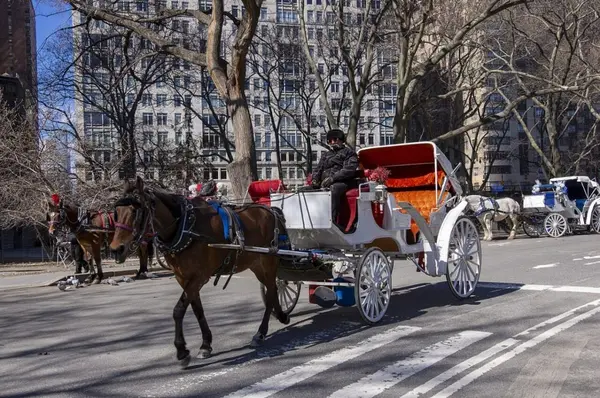
NYC’s Horse-Drawn Carriages To End by 2028
New York is ending one of its most iconic tourist attractions. Pedicabs have been floated as an alternative, but lawmakers say that industry has its own issues.
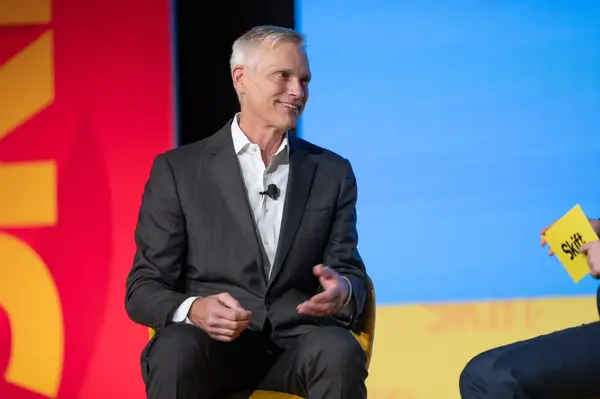
American Airlines Expects a 2026 Loss. How It Plans to Turn a Profit in 2027.
American CEO Robert Isom said he was confident that American’s premium investments will pay off in 2027.

Wyndham Courts AI Booking Agents in Push for Direct Bookings
The Super 8 and La Quinta franchiser is opening its inventory to Meta's Muse, OpenAI, and Instinct. Morgan Stanley analysts think AI agents could cost hotel groups less per booking than online travel agencies do.
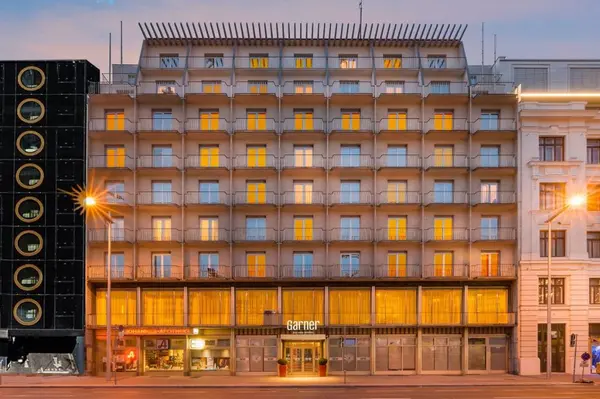
IHG Says It’s Winning Hotels From Rival Brands
IHG’s conversion machine is firing in the Americas, but its growth story ultimately depends on a pipeline to the east of Europe that had a difficult Q3.

Saudi Strikes Spill Over Into Gulf Tourism, Operators Say
Houthi strikes are measurably cutting Saudi demand, but the UAE’s damage so far shows up in operator sentiment and forward bookings more than in the data. The winter season will test whether travelers view the Gulf as a single risk.

Oyo Parent Prism Halves IPO Size, Leaving More Debt to Be Repaid From Cash Flow
A smaller IPO is being sold as a sign of strength, but Prism may simply be playing it safe. After two abandoned IPO attempts, a smaller raise could mean it doubts demand at its old valuation, or just wants a smoother sale.
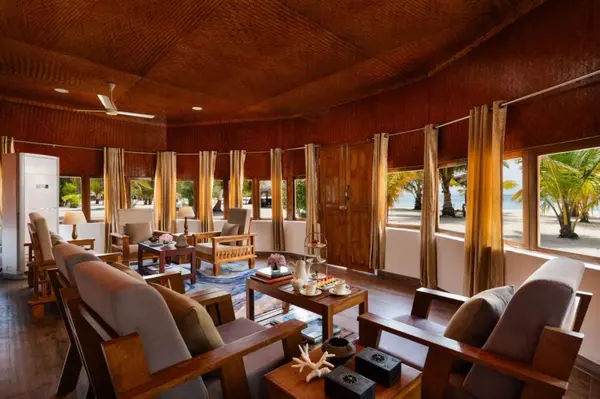
IHCL Is Racing Past Its 2030 Goal of 700 Hotels. Now It Needs a Bigger Number
Hitting its 2030 target years ahead of schedule is a clear sign that India’s branded hotel market is moving faster than expected. The bigger question now is whether quality can keep pace when a brand like Ginger doubles its footprint so quickly.
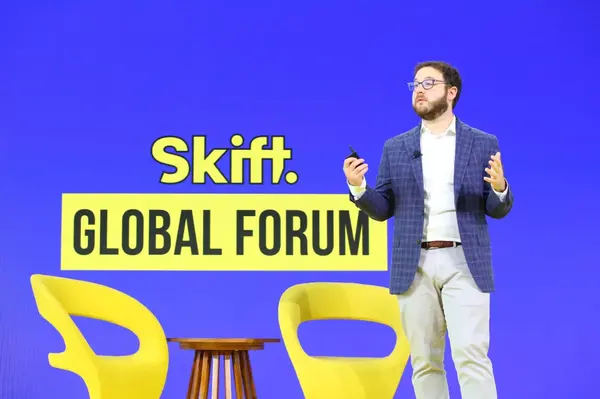
Skift Global Forum 2026: 7 Insights From Travel Industry Leaders
The travel industry is racing to embrace AI, but still struggling with fundamental questions of trust, coordination, and commercial returns. We surveyed executives at Skift Global Forum 2026 to understand where the industry sees opportunity and where its biggest concerns lie.
Airbnb Can Now Be Booked Through Amex Travel in Its Deepest Loyalty Tie-Up Yet
By putting its search inside Amex Travel, and letting Amex's premium cardholders spend lodging credits on Airbnb Luxe, Airbnb boosts its high-end inventory and looks a lot more like a conventional lodging supplier than it ever has.
American Airlines Expects to Lose Money in 2026 Due to High Fuel Costs
American is still pushing forward with premium product investments to improve its profitability, even as it expects to pay a staggering $4.70 a gallon for jet fuel.

Tell Me Where to Go
This week has been unexpectedly busy, and I don’t have a post that’s quite ready for primetime today. So, instead, I’m going to do something weird. I’m going to have you tell me where to go. See, I have a credit on Alaska that must have all travel completed in the next week. I don’t...

Meta Calls Travel ‘a Top Use Case’ for Muse — and Zuck Wants a Cut
Meta already influences where people want to go. Its AI agent is primed to help it take a cut when they book.

Yotel Plans Upscale Brand and YotelAir in City Centers as It Targets 100 Hotels: Exclusive
Yotel is stretching both ways at once as it looks to build a posher Yotel on top, and city-center pods at the bottom. That would let it pitch to almost every budget, all under Hilton’s roof.
Southwest Airlines Slashes 2026 Profit Guidance on Higher Fuel Bills
Southwest is the latest airline to slash its profit outlook for the year as surging fuel costs bite into record revenues.
United’s Higher Fares Can’t Keep Up With Soaring Fuel Costs
Yes, United is struggling to keep pace with soaring fuel costs, but CEO Scott Kirby thinks its rivals have even bigger problems ahead.

Hilton Bets on Scandic to Crack Nordics
International hotel brands have struggled to gain scale in the Nordic market. This deal shows one way to do it: letting someone who already knows the market carry most of the risk.

Airbnb’s New Policy for Hosts: Don’t Ask Guests to Wash Dishes or Strip Beds
The new policy formalizes a lot of things Airbnb has been pushing hosts to avoid as unreasonable in recent years — and thus it comes with more enforcement bite.
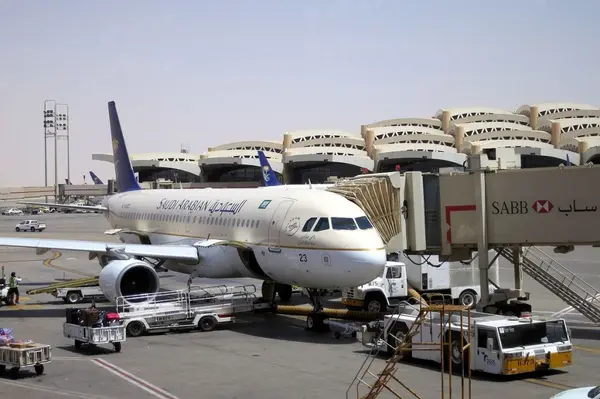
Corporate Travel to Saudi Arabia Freezes as Riyadh Airport Stays Restricted
Houthi strikes have cut Riyadh off from scheduled flights and pushed the kingdom’s events season into 2027. The longer the closure lasts, the harder it gets for Saudi Arabia to sell itself as a reliable host for business tourism.
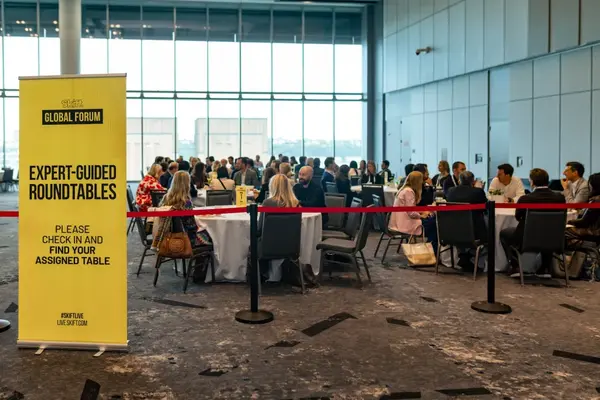
Real-Time Personalization: Turning Browsers Into Bookers
Real-time personalization can help travel brands earn loyalty without defaulting to broad discounts — but it works only when brands put preference data to use quickly and deliver an experience that matches the marketing promise.

Poland’s Economic Rise Is Becoming a Travel Story Worth Watching
More Polish households can afford to travel, and airlines, hotel owners, and lenders are backing additional capacity.
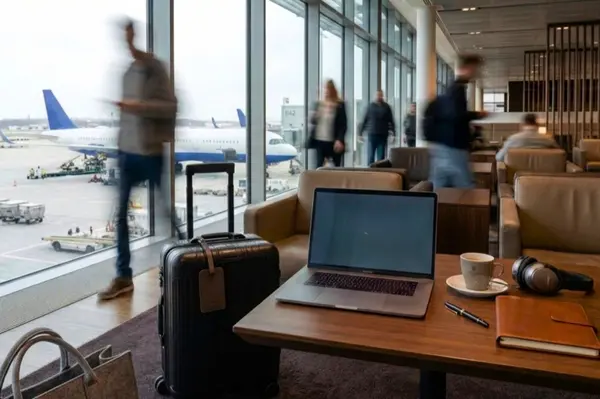
Why the Best Corporate Travel Strategy Isn’t Just About Spending Less
New ASTA and GBTA research suggests companies should evaluate corporate travel in relation to business performance, not simply as a cost line. Mark Meader of ASTA explains how benchmarking, policy flexibility, and travel management can help companies invest more strategically.

Independence at Scale — Paradox or Opportunity? Watch Video
Independent hotel brands don’t have to choose between scale and identity. Shared loyalty, distribution, and technology can help them compete with the major global groups while preserving the local character and direct customer relationships that set them apart.

The 2027, 2028, 2029, and 2030 Cranky Network Awards Will Be in Phoenix
Summer is over, and that means planning for the Cranky Network Awards presented by Phoenix Sky Harbor International Airport is in full swing. I thought it was time for a little update on where things stand, and I’m delighted to announce that we’ll be staying in Phoenix for years to come. 2027 Will Look Familiar...
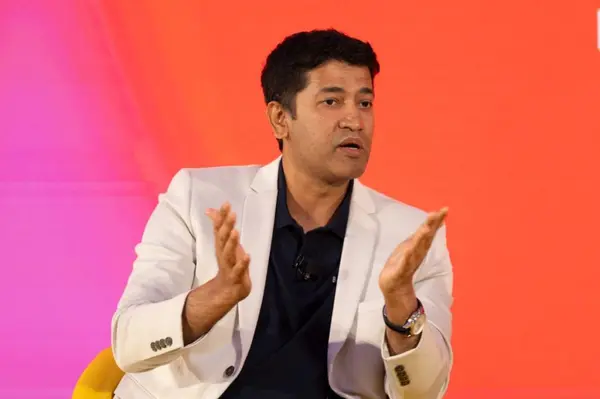
Booking.com Looks to Compete in India With Its Own Payments System and Business Travel
Booking.com wants more of India’s travel wallet, not just its hotel bookings. Payments and business travel could help it get there, but local platforms will make that a harder sell.
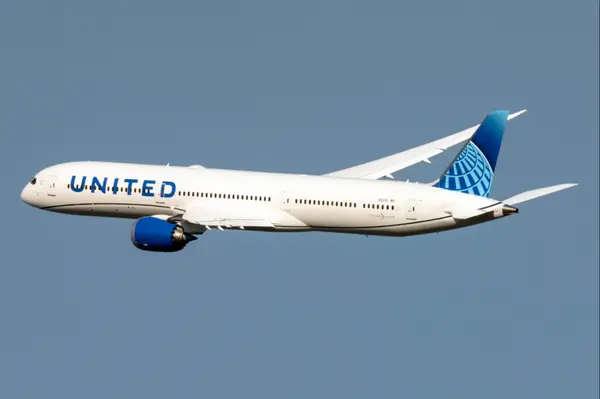
United Airlines Cuts Profit Outlook as Jet Fuel Costs Rise
Despite the higher fuel costs, United is still seeing high travel demand — premium and loyalty revenues were both up 17%.

Sonesta Cuts Jobs as a $2 Billion Bid Puts Many of Its Best Hotels in Play
Service Properties Trust hired Sonesta to operate 68 of the hotels it owns. But an unsolicited offer for those hotels has created uncertainty. Meanwhile, Sonesta has cut corporate staff.
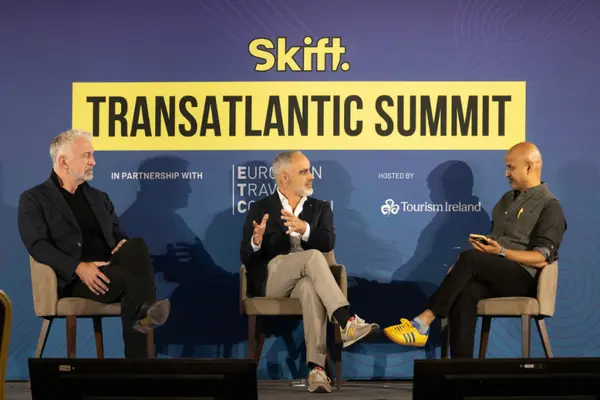
Skift Translatlantic Summit 2026: Identifying Growth in a Durable but Fragmenting Corridor
The transatlantic corridor is seeing durable demand, and companies will have opportunities to gain a competitive advantage by deftly adapting to competing shifts simultaneously.

Skift Transatlantic Summit 2026: Identifying Growth in a Durable but Fragmenting Corridor
The transatlantic corridor is seeing durable demand, and companies will have opportunities to gain a competitive advantage by deftly adapting to competing shifts simultaneously.
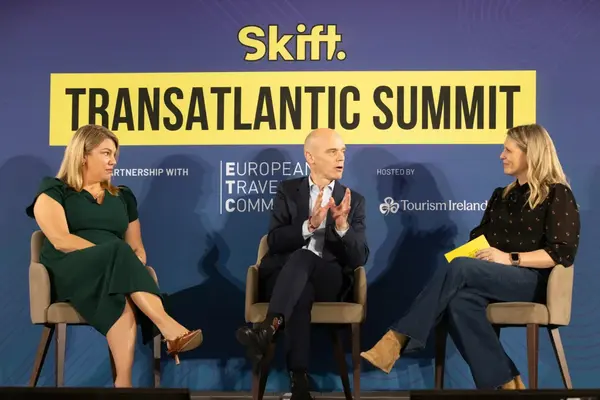
What Boston and Iceland Learned From a Sold-Out Summer of Live Tourism
When mega-events land in peak season, success comes not in higher volume, but in earned media and positive sentiment.

Hospitality Has A Water Issue
Summer heat and drought brought hospitality’s use of water into sharp focus. The industry is betting on simple fixes like aerated showerheads and less laundry — the question is whether more structural but costly measures can scale.

GMH Bonus: Sam Shank on How AI Could Reshape Online Travel
In this Good Morning Hospitality bonus episode, Wil Slickers sits down with Sam Shank, co-founder and former CEO of HotelTonight, at Skift Global Forum to discuss how AI agents could reshape online travel distribution. Shank explains why AI-driven booking could challenge the sponsored search model that has fueled major online travel agencies like Booking.com and Expedia, while creating new opportunities for specialized agents and booking infrastructure.
AI Will Know Your Travelers. And the World’s Travelers. Will You?
AI discovery is moving closer to transaction. Travel brands must become legible to machines without surrendering the memory, service, and loyalty advantages that set them apart.
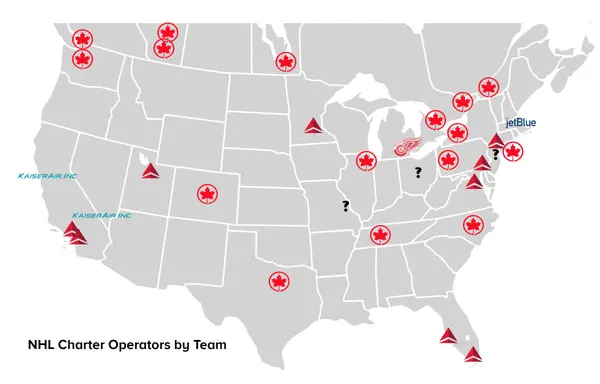
Sports Charters: How Air Canada Flies Domestically in the US
Fall has arrived, and though I’m still completely and totally focused on the baseball postseason, it is also the time when the NBA and NHL start their games. I noticed a couple of odd charters that caught my eye, and that, as usual, sent me down the rabbit hole looking at how sports charters work...

The Sustainable Traveler Is More Mainstream Than the Industry Thinks
There's a widespread misconception about travelers looking for sustainable options. Rather than being vanishingly rare earnest eco-seekers, there are part of the mainstream and often pragmatic in their choices.
Europe Wants Tourists Beyond Big Cities. AI Search Stands in the Way.
Europe’s overtourism fix depends on two systems it doesn’t control: AI search that favors the obvious, and overly complicated transport that discourages the curious from visiting less familiar places.

Agoda Doubles Premium Hotel Supply as Five-Star Search Rises
Agoda has doubled its luxury supply and five-star searches are rising. Until it shows bookings, there’s no hard proof the platform can sell luxury.

How First Class Jerk Is Building a Travel Media Brand
In this Skift Take Sessions episode, recorded at the Skift Creator Summit during Skift Global Forum, Sarah Dandashy sits down with Adam Lovick, founder of First Class Jerk, to discuss how he built a travel brand around irreverent storytelling, video, and photography. Lovick shares how his family’s history in the travel industry shaped his path and why he sees content and audience attention as a competitive advantage for travel brands.

Vrbo Exempts Some Properties From Losing Subscription Plans: Scoop
With some hosts and property managers upset about being unable to renew or convert to subscriptions, Vrbo should be more transparent about why some listings qualify for an exemption while others don't.

Louvre Closed, Travel Warnings Mount: What France’s Protests Mean for Tourists
Governments are updating their travel guidance as protests spread across Europe. The question for travel is whether unrest will continue beyond region's shoulder season.

Kempinski Faces Leadership Upheaval as CEO and Senior Executives Resign: Scoop
Kempinski’s leadership upheaval raises questions about who will carry out its luxury turnaround and how it will be funded.

Third of Saudi Flights Canceled As High Profile Events Postponed
Saudi carriers have restored service, but they can’t restore the confidence that international airlines and event organizers need. The longer foreign carriers stay out, the more Riyadh’s events-led Q4 turns into a lost quarter for hotels and for business, sporting and leisure events.
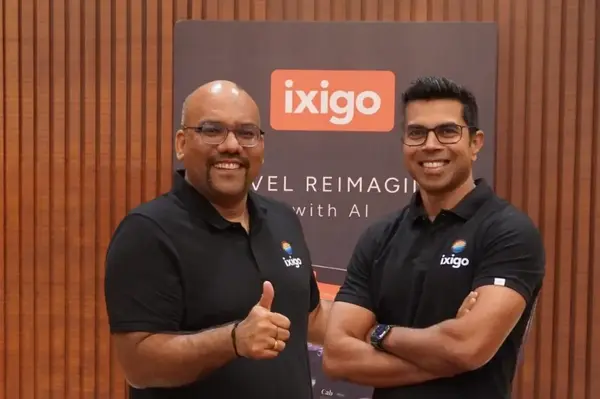
Hotels Could Become One of Ixigo’s Two Biggest Businesses
Ixigo has the product and a steady stream of customers. What remains is the hard part of convincing budget travelers that the room they book online is the room they’ll get.

The Quiet Rise of Loveholidays on a 20-Year-Old Business Idea
UK’s Loveholidays didn’t invent dynamic packaging — it built its muscle through scale. The big test ahead is whether it can replicate it in Europe.

Airbnb Joins Vrbo and Marriott In Paying Guests When It Rains Too Much
The idea is that paying travelers when rain passes a certain threshold can help increase conversions among those worried about weather spoiling their plans. The question is whether guarantees will spread to other types of weather — like the extreme heat seen in Europe this summer.

What AI Travel Booking Means for Your 2027 Commerce Budget
AI agents still drive a sliver of travel bookings, which makes waiting look prudent. The commercial terms those agents run on are being written this year, and the sellers who sit it out will be priced by someone else’s integration.

Skift Take Podcast: What It Takes to Put AI Into Production in Travel
AI’s value in travel will come down to execution. As it moves into core workflows, travel companies will need to build the integration and governance required to make AI a dependable part of everyday operations.

What Timeshare Can Teach Hospitality About Experience-Led Loyalty: Watch Video
Vacation ownership companies have an advantage in experiential loyalty: They already know their customers over years, not days. At Skift Global Forum, ARDA and Hilton Grand Vacations explained why access, relevance, and owner feedback matter more than simply adding more things to do.
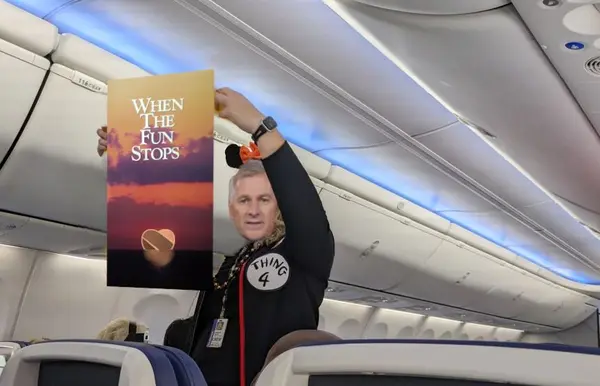
Southwest’s Use of Language Eliminates the Fun
Southwest held a media day last week to announce more details on lounges and changes to the Rapid Rewards program. I didn’t attend, but there was one thing that really stood out from all these announcements. The fun, the playfulness, is being designed out of the airline, and there is no good reason for that....